April 20, 2026
When we look out at our yards, we often see trees as permanent fixtures of the landscape—sturdy, silent guardians that provide shade and beauty. However, even the most majestic trees have a lifespan or can fall victim to environmental stressors that turn them into liabilities rather than assets. In this article, we will delve into the critical signs indicating the need for immediate tree removal. Trees are a vital part of our ecosystem, but when they pose a threat to safety and property, removing them promptly is essential. Recognizing hazardous conditions early can mitigate risks and prevent costly damages. With climate change and the prevalence of natural disasters, awareness of tree health is more important than ever. Stay informed and protective of your environment by understanding these seven critical signs that suggest it might be time to say goodbye to a hazardous tree.
1. Finding Deep Trunk Cracks and Cavities
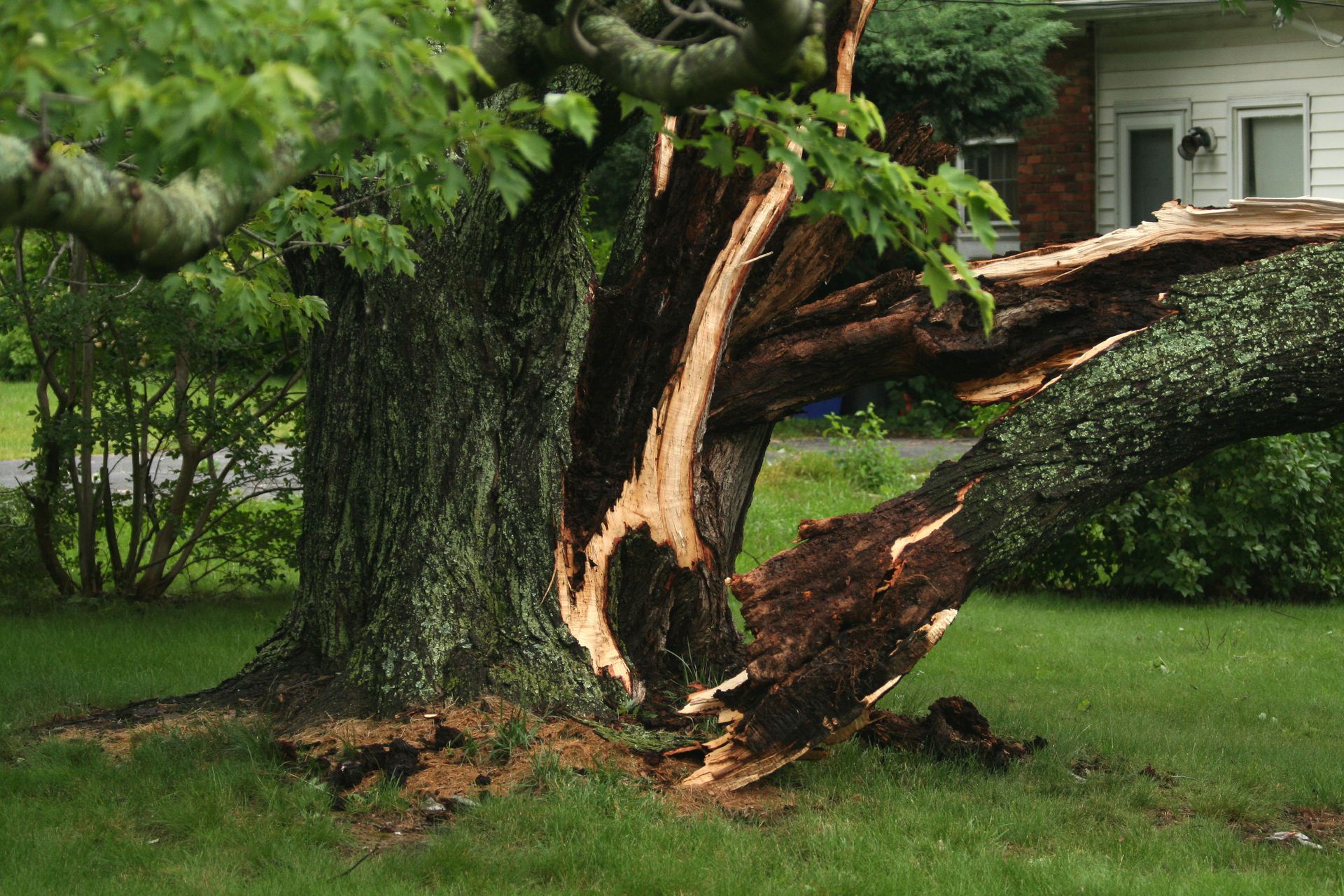
One of the most obvious red flags you might notice involves physical deformities in the main body of the tree. When you start seeing deep, vertical splits or large hollow cavities, the internal structure of the wood is likely compromised. These "structural wounds" often mean the tree can no longer support its own weight, especially during high winds. If you spot these issues, searching for local tree removal experts is the best first step to determine if the tree is still stable. It’s fascinating to think about the sheer volume of resources these giants manage; for instance, a large oak tree can consume 100 gallons of water daily, while a giant sequoia can drink up to 500 gallons daily, according to TeachStarter. When a trunk is cracked, it struggles to move that massive amount of water effectively, leading to further internal rot and eventual collapse.
2. Identifying Dangerous Fungal Growth and Decay
Nature has a way of telling us when things are rotting from the inside out, and mushrooms are often the messengers. If you see "conks" or shelf-like fungi growing on the bark, or a cluster of mushrooms at the base of the trunk, it’s a sign of internal decay. This usually indicates that the heartwood—the very core that keeps the tree standing—is being eaten away by fungi. Because this process happens internally, a tree might look green and healthy on top while being completely hollow or soft at the bottom. Before the next big storm hits, you should look into local tree removal services to have a professional check the density of the wood. Ignoring these fungal warnings can lead to a sudden, unexpected fall that puts your home or family at risk.
3. Assessing a Sudden or Significant Lean
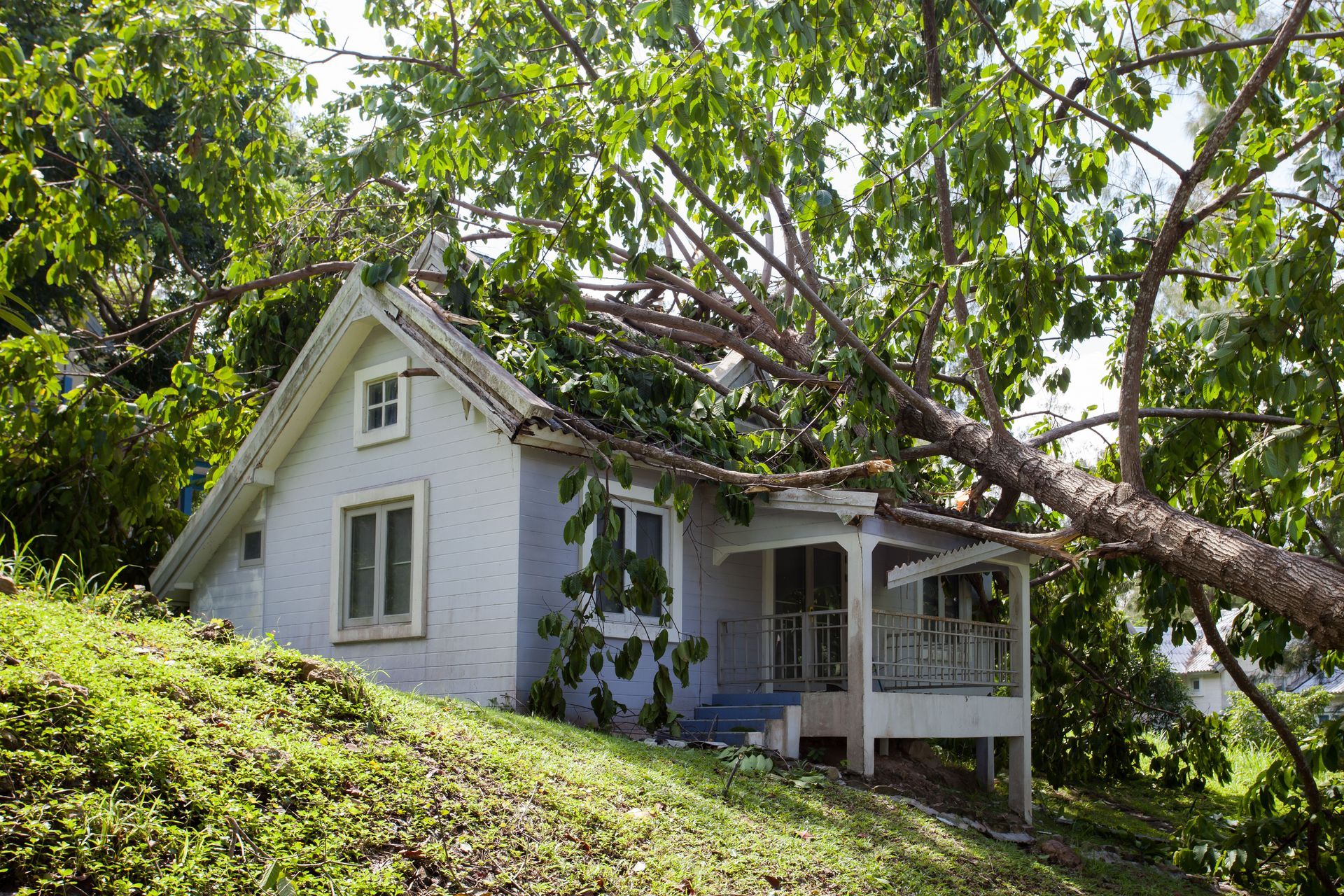
Not every leaning tree is a goner; many grow at an angle their entire lives to find sunlight. However, if a tree that was once straight suddenly starts to tilt, or if the soil at the base is beginning to heave or crack, you have a serious emergency on your hands. This is usually a sign of root failure, meaning the anchor system is letting go of the earth. Considering how much water a tree drinks—like the giant sequoia consuming up to 500 gallons daily—the weight of the canopy is immense. When the roots lose their grip, that weight becomes a ticking time bomb. In such cases, calling for local tree removal is often the only way to prevent a catastrophic impact on nearby structures.
4. Noticing Major Root Damage and Heaving
We often forget that what happens underground is just as important as what we see in the sky. Root systems can be damaged by new construction, soil compaction, or even extreme weather. If you see roots that are broken, decaying, or pulled out of the ground, the tree's life support and physical foundation are failing. Without a healthy root system, the tree cannot stay hydrated or upright. If you are worried about the stability of a tree after a nearby excavation project, getting a quote for local tree removal can help you weigh the cost of removal against the potential cost of a tree falling on your roof. Healthy roots are the silent workers of the backyard, and once they are gone, the tree is essentially standing on borrowed time.
5. Recognizing Severe Pest Infestation Symptoms
Sometimes the threat is much smaller than a storm but just as deadly. Boring insects, like certain beetles, can tunnel through the vascular system of a tree, effectively "strangling" it from the inside. You might notice tiny holes in the bark, sawdust-like material (frass) at the base, or entire sections of the canopy dying off at once. When a pest infestation becomes systemic, the tree becomes brittle and dangerous. A professional who specializes in local tree removal can tell you if the infestation has progressed too far for treatment. Once a tree is riddled with holes, it loses the structural integrity needed to withstand the elements, making it a high-risk inhabitant of your yard.
6. Checking Proximity to Vital Home Infrastructure
Sometimes a tree is perfectly healthy but is simply in the wrong place. As trees grow, their branches can move into power lines and their roots can invade sewer pipes or lift foundation slabs. If a tree has grown so large that it is looming over your bedroom or interfering with utility lines, it becomes a liability. Managing these risks requires a proactive approach rather than waiting for a power outage or a plumbing disaster. Many homeowners reach out for local tree removal when they realize that a once-small sapling has become a giant that threatens the very integrity of their home’s infrastructure. Balancing the beauty of nature with the safety of your living space is a key part of responsible property management.
7. Spotting Dead Wood and Canopy Dieback
Take a look at the very top of your tree—the "crown." If you see a lot of bare branches, or if large limbs are losing their bark and leaves while the rest of the tree is green, you are looking at canopy dieback. Dead wood is brittle and can fall at any moment, earned the nickname "widow-makers" in the forestry world. If more than 25% of the tree's canopy is dead, the tree is likely in a state of decline that it won't recover from. It is much safer and often more affordable to handle a controlled removal now than to wait for those dead limbs to come down during a windstorm. Keeping your landscape safe starts with watching the sky for these skeletal branches and acting before they fall.
Taking care of your property means making tough decisions about the greenery that surrounds you. While we all love the shade and character that old trees provide, your safety and the security of your home must come first. By keeping an eye out for cracks, fungus, leaning, and dead wood, you can catch problems before they turn into expensive insurance claims. Remember that a tree is a living, changing organism, and sometimes the kindest thing you can do for your landscape is to remove a hazard so that something new can grow in its place. If any of these signs look familiar, don't hesitate to reach out to the experts at New East Tree Services.